
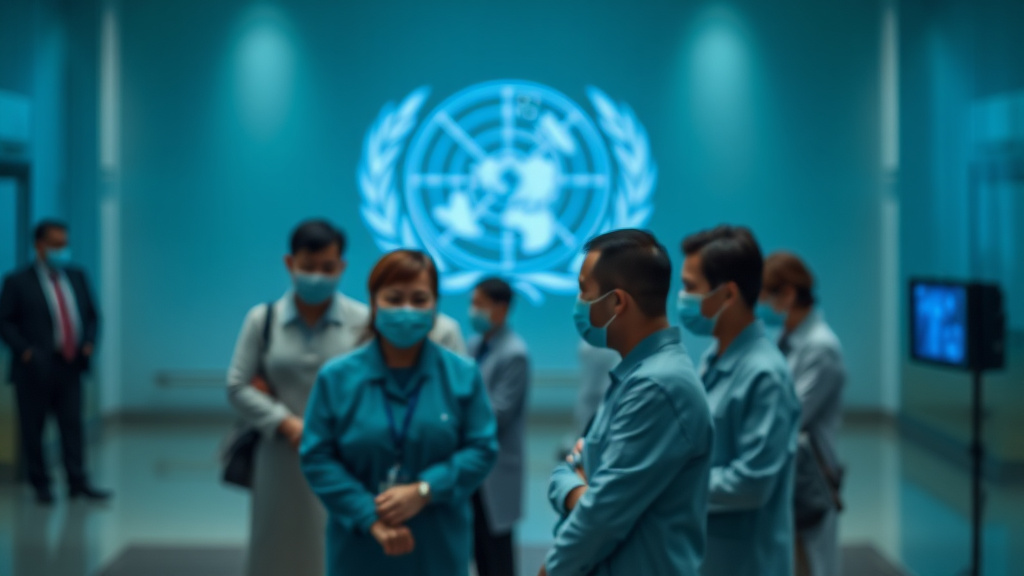
In a landmark move to combat the rising threat of epidemic diseases worldwide, the World Health Organization has launched an comprehensive new program created to enhance international disease tracking and immediate response resources. This comprehensive program is designed to resolve critical gaps in pandemic preparedness, improve rapid identification mechanisms, and strengthen cooperation between nations. By pooling resources and expertise, the WHO aims to avert upcoming epidemics from becoming severe global health emergencies, potentially protecting millions of lives.
Global Response Strategy
The WHO’s recent effort establishes a integrated system that allows nations to work collectively in addressing communicable disease risks. By creating consistent guidelines and information networks, countries can share critical health information in real-time, facilitating faster identification of novel infectious agents. This coordinated method strengthens the international health protection framework, ensuring that assets are allocated optimally and deliberately to contain outbreaks before they cross international boundaries and continents.
Central to this strategy is the development of response centers across regions featuring cutting-edge diagnostic equipment and trained personnel. These hubs will function as frontline defense mechanisms, delivering immediate technical support and direction to impacted countries. The initiative emphasizes institutional strengthening in developing regions, where resources are often limited, guaranteeing fair distribution to surveillance tools and response expertise. Through this comprehensive approach, the WHO aims to establish a seamlessly connected worldwide health network.
The program also prioritizes investment in state-of-the-art technology and AI for disease monitoring. Algorithmic models will process large volumes of data to predict disease spread patterns and identify high-risk areas ahead of disease spread. This preventive methodology marks a fundamental change from responsive actions to disease prevention measures. Enhanced surveillance systems will track viral changes and spread dynamics, enabling medical authorities to adjust interventions rapidly and successfully.
Moreover, the WHO pledges to strengthening partnerships with private sector stakeholders, educational organizations, and non-governmental organizations. This partnership framework fosters innovation in vaccine development, disease detection, and therapeutic treatments. By eliminating divisions between public health agencies and scientific organizations, the program accelerates scientific breakthroughs and enables swift rollout of solutions. Transparent information sharing strengthens community confidence and enhances public participation in disease prevention programs.
Deployment and Core Elements
The WHO’s initiative works within a multi-tiered system combining technological innovation, global collaboration, and funding distribution. This planned methodology combines existing surveillance networks with advanced digital solutions, facilitating immediate information exchange across borders. By setting defined standards and funding mechanisms, the organization guarantees member countries can deploy comprehensive disease monitoring systems. The initiative emphasizes at-risk areas, strengthening health facilities where disease spread create the most danger to global security.
Early Detection Approaches
Advanced surveillance systems forms the backbone of the WHO’s rapid identification infrastructure. The initiative deploys AI and automated analysis algorithms to examine health data trends, detecting potential disease spread before they spread widely. Testing facilities across participating nations receive upgraded equipment and training to enhance diagnostic accuracy. This integrated network facilitates rapid identification of novel infectious agents, allowing public health officials to establish control strategies promptly and successfully.
The early detection framework also emphasizes local participation and local reporting mechanisms. Healthcare workers in distant regions are trained to identify atypical illness trends and communicate results through secure digital channels. The WHO provides real-time feedback and guidance to on-ground teams, building a agile network. This community-based strategy confirms outbreaks are detected at their source, optimizing treatment impact and minimizing disease transmission.
Immediate Response Groups
Dedicated emergency response teams stand ready to respond within forty-eight hours of outbreak confirmation. These cross-functional teams include epidemiologists, diagnostic specialists, logisticians, and public information specialists. Teams receive intensive training in outbreak investigation, sample gathering, and field epidemiology. The WHO keeps advance equipment stockpiles and supplies in priority regions worldwide, ensuring teams can immediately address emerging threats with minimal delays.
Response teams work together with national health authorities and local communities, respecting cultural sensitivities while putting in place essential control strategies. Training stresses transparency and public communication to maintain trust during emergencies. The initiative incorporates mental health support for team members operating in high-threat conditions. Continuous evaluation and feedback discussions enhance operational standards, making certain each response generates valuable lessons for subsequent responses.
- Deploy epidemiologists within 48 hours worldwide
- Conduct epidemiological investigations and sample gathering activities
- Coordinate with local authorities and health departments
- Provide real-time analytical data and outbreak tracking
- Implement containment protocols and preventive measures
Expected Outcomes and Future Impact
The WHO’s effort is anticipated to produce significant results over the next five years. Improved monitoring systems will enable earlier detection of novel disease-causing organisms, reducing response times significantly. Countries implementing these protocols can expect improved disease tracking capabilities and better-equipped laboratories. The initiative is designed to implement uniform reporting systems across all countries involved, building a cohesive global network. Initial assessments suggest that quick-response procedures could avert up to 80% of anticipated outbreaks from becoming pandemics, fundamentally reshaping how the world manages disease-related threats.
Looking ahead, this initiative aims to create a new standard for worldwide health collaboration and preparedness. By channeling funds into infrastructure, training, and knowledge sharing, the WHO envisions a future where disease outbreaks are rapidly controlled at their source. Member nations will leverage shared research data, aligned vaccination initiatives, and enhanced medical systems. The enduring consequences extends beyond limiting disease transmission to developing durable healthcare infrastructure capable of enduring future health threats, ultimately fostering a safer world for all populations and generations to come.
