
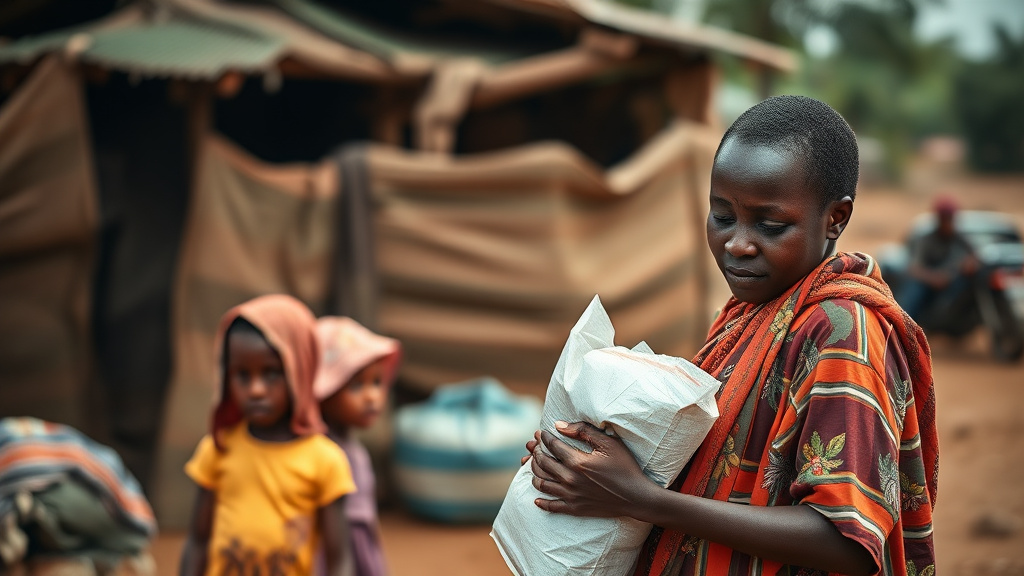
Sub-Saharan Africa grapples with an mounting humanitarian emergency as conflict, drought, and economic collapse converge to create unprecedented suffering. Millions experience acute hunger, displacement, and lack of essential healthcare, pushing fragile health systems to critical breaking points. This article examines the deepening crisis across the region, explores its root causes, and highlights why urgent global assistance and coordinated intervention are vital to preventing further harm and preserving countless lives.
Current State of the Emergency
Sub-Saharan Africa is facing an unprecedented humanitarian crisis that demands urgent international attention. Over 280 million people across the region confront critical food insecurity, with levels of malnutrition hitting alarming levels among vulnerable groups and children. The intersection of armed conflicts, severe droughts, and economic instability has triggered a catastrophic situation, straining already weak healthcare and social support systems. Migration has attained record numbers, with millions abandoning their residences seeking safety and basic survival necessities.
The social toll surpasses hunger and displacement, impacting nearly every area of public health. Disease outbreaks, such as cholera and measles, propagate quickly through densely populated camps lacking proper sanitation and safe water supplies. mental health emergencies are intensifying as populations experience sustained trauma and loss. Medical facilities face critical shortages of medical supplies, trained personnel, and operational infrastructure, forcing challenging allocation decisions that cause numerous patients deprived of necessary medical care and medical services.
Economic breakdown has severely impacted livelihoods in the region, driving families further into poverty and desperation. Devalued currency, inflation, and broken supply chains make essential goods out of reach for average people. Farm output has collapsed due to conflict and climate shocks, wiping out traditional earnings for rural communities. Without swift intervention and continued international aid, forecasts show the situation will deteriorate substantially, conceivably harming hundreds of millions more individuals across Sub-Saharan Africa.
Underlying Causes and Related Factors
The humanitarian crisis in Sub-Saharan Africa arises out of complex structural issues that have built up over decades. Climate change and prolonged droughts have undermined agricultural productivity, rendering rural communities unable to sustain themselves. Simultaneously, ongoing conflicts and political unrest have forced millions from their homes, disrupting food supply chains and overwhelming available resources. Poor economic management and inadequate infrastructure further exacerbate these weaknesses, preventing timely response and recovery efforts across the region.
Poor governance structures and restricted international investment have produced conditions where populations remain extremely susceptible to crisis triggers. Healthcare systems lack proper financial support and personnel, making epidemics particularly devastating in war-affected regions. Additionally, persistent poverty maintain malnutrition and stop communities from developing resistance against ecological crises. These compounding factors create a perfect storm where at-risk communities face concurrent risks to their survival, requiring comprehensive and urgent aid efforts to end the cycle of desperation.
International Response and Aid Initiatives
The international community has deployed substantial funding to address the humanitarian emergency in Sub-Saharan Africa, acknowledging the scale and urgency of the crisis. Global institutions, bilateral donors, and NGOs have launched joint relief efforts to deliver urgent assistance, including food assistance, healthcare resources, and shelter. However, funding gaps remain substantial, with many appeals only partially met. Sustained commitment and greater funding support from developed nations are essential to expand operations and serve at-risk communities across affected regions.
- United Nations agencies distributing critical food and healthcare support
- World Health Organization backing disease prevention programs
- Red Cross providing humanitarian assistance and disaster relief
- Aid from developed countries financing rebuilding projects
- NGOs creating mobile health clinics and sanitation infrastructure
Despite these measures, supply chain obstacles and safety issues remain obstacles to aid delivery in areas affected by conflict. Distribution network breakdowns, inadequate facilities, and restricted access impede the reach of aid and support to the most disadvantaged communities. Collaboration among various agencies is essential to prevent redundancy and maximize impact. Strengthened diplomatic efforts, funding for community development, and long-term development strategies are required to resolve fundamental problems and strengthen capacity in communities in crisis for long-lasting restoration.
