
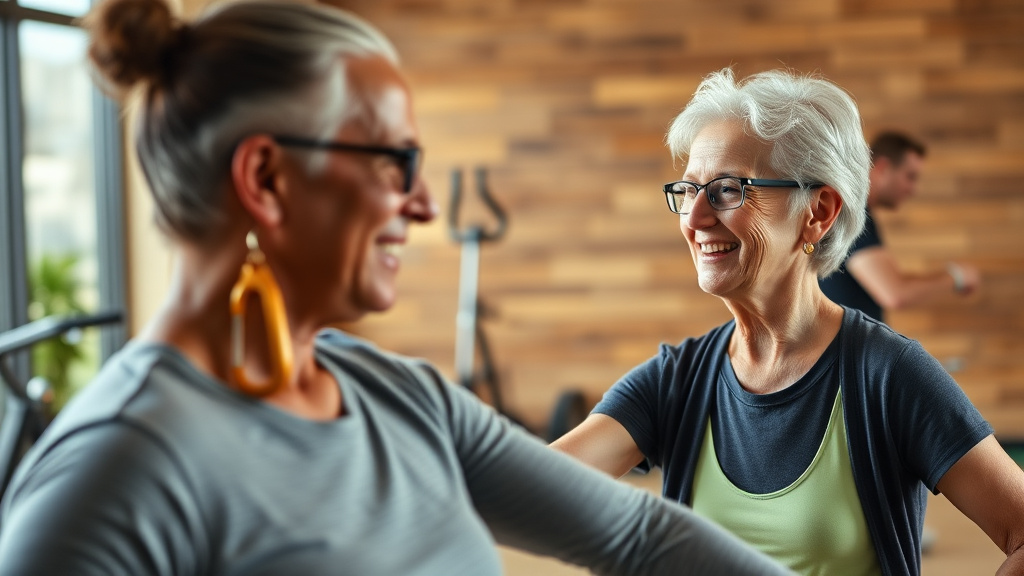
As we advance in years, sustaining bodily vigor becomes increasingly crucial for maintaining autonomy and quality of life. New research demonstrates that exercise routines created for aging populations can dramatically enhance overall strength, movement, and physical function. This article investigates scientifically-supported workout programs created to fulfill the particular demands of seniors, showing how purposeful physical training can lower the likelihood of falling, strengthen equilibrium, and enable older adults to maintain independence and activity in their day-to-day activities.
Benefits of Personalized Exercise Programs for Seniors
Tailored exercise programs tailored to seniors result in substantial improvements in physical health and physical capability. These personalized programs focus on age-associated alterations in muscle mass, bone density, and aerobic capacity, helping seniors maintain muscular strength and stamina. Studies demonstrate that older adults who engage in tailored workout routines experience enhanced balance, greater range of motion, and decreased likelihood of chronic illness. Additionally, these programs enhance self-assurance and psychological wellness, enabling older adults to take part more readily in daily activities with increased comfort and stability.
Beyond physical benefits, personalized workout plans significantly improve independence and quality of life for seniors. By building core strength and improving coordination, these programs lower the risk of falls and associated injuries that often lead to loss of autonomy. Seniors who take part in customized fitness regimens report higher energy, better sleep quality, and better brain function. Furthermore, community workout classes foster social connections and community engagement, reducing loneliness while supporting mental health and lasting health benefits for older populations.
Key Parts of Beneficial Older Adult Fitness Programs
Carefully structured senior exercise routines integrate various physical activity to address the varied health needs of aging adults. These comprehensive programs incorporate strength training, flexibility work, balance exercises, and aerobic fitness to create a well-rounded fitness approach. By including these essential components, older adults can maximize physical gains, lower injury risk, and maintain the physical capabilities required for independent living and sustaining an physically active life.
Strength Conditioning and Flexibility Training
Resistance exercise forms the foundation of senior fitness programs by counteracting age-associated muscle loss, a issue referred to as sarcopenia. Consistent resistance exercises using lightweight equipment, elastic bands, or body weight movements help maintain muscle mass, bone density, and metabolic rate. This greater muscular strength directly translates to better capacity to perform daily activities like ascending stairs, carrying groceries, and standing up from seated positions, significantly enhancing overall independence and decreasing fall-related injuries in aging adults.
Flexibility and stretching exercises are equally important for preserving joint movement and reducing stiffness that commonly accompanies aging. Yoga practice, tai chi, and consistent stretching practices increase flexibility, lower muscle tightness, and improve posture. These routines encourage relaxation and emotional health, contributing to a holistic approach to senior health that tackles both physical fitness and psychological wellness for significant improvements in quality of life.
- Elastic bands offer adjustable strength training options safely.
- Light dumbbells build muscle without excessive joint stress.
- Bodyweight exercises improve functional strength and balance.
- Yoga increases flexibility and encourages mindful movement practices.
- Stretching routines preserve range of motion and prevent stiffness.
Creating and Preserving Long-Term Exercise Progress
Building a long-lasting exercise routine requires dedication, but the long-term benefits for seniors are significant. Success begins with establishing achievable goals and gradually increasing intensity over time. Partnering with healthcare providers or qualified trainers guarantees exercises are appropriate for personal health needs and ability levels. Consistency matters more than effort—consistent, moderate exercise done 3-5 times per week yields better results than sporadic intense exercise sessions. Tracking progress through basic measurements like miles covered or workouts finished offers motivation and responsibility, helping seniors remain involved with their exercise goals.
Maintaining motivation over the long term requires varied experiences and community involvement. Structured workout sessions, walking groups, or household fitness companions build commitment and make physical activity enjoyable rather than tedious. Acknowledging achievements, whether restoring the ability to use stairs or walking longer distances, solidifies beneficial lifestyle shifts. Modifying workouts as physical condition strengthens prevents boredom and sustained advancement. Additionally, combining physical exercise with proper nutrition, sufficient rest, and stress management develops an integrated strategy to age-related wellness, ensuring older adults can sustain independence and vitality throughout their advanced years.
